A child’s vision plays a critical role in how they learn, grow, and interact with the world around them. From reading books in school to recognizing faces and playing sports, healthy eyesight supports nearly every aspect of development. Yet many vision problems in children go unnoticed because kids often assume the way they see is normal. That’s why pediatric eye care is essential for maintaining your child’s eye health from infancy through adolescence.
What Is Pediatric Eye Care?
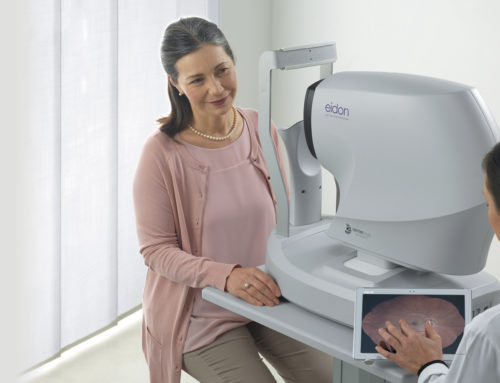
Pediatric eye care focuses on diagnosing, treating, and preventing vision problems in children. Unlike adult eye care, pediatric vision exams are specially designed to evaluate how a child’s eyes develop and function at different stages of growth.
Eye doctors who specialize in pediatric care understand how to communicate with children and identify conditions that may not be obvious during routine health checkups.
Why Regular Eye Exams Are Important
Many parents are surprised to learn that vision screenings at school or during pediatric visits are not a substitute for a comprehensive eye exam. Screenings can miss several common eye conditions that may affect learning and development.
Regular pediatric eye exams help detect:

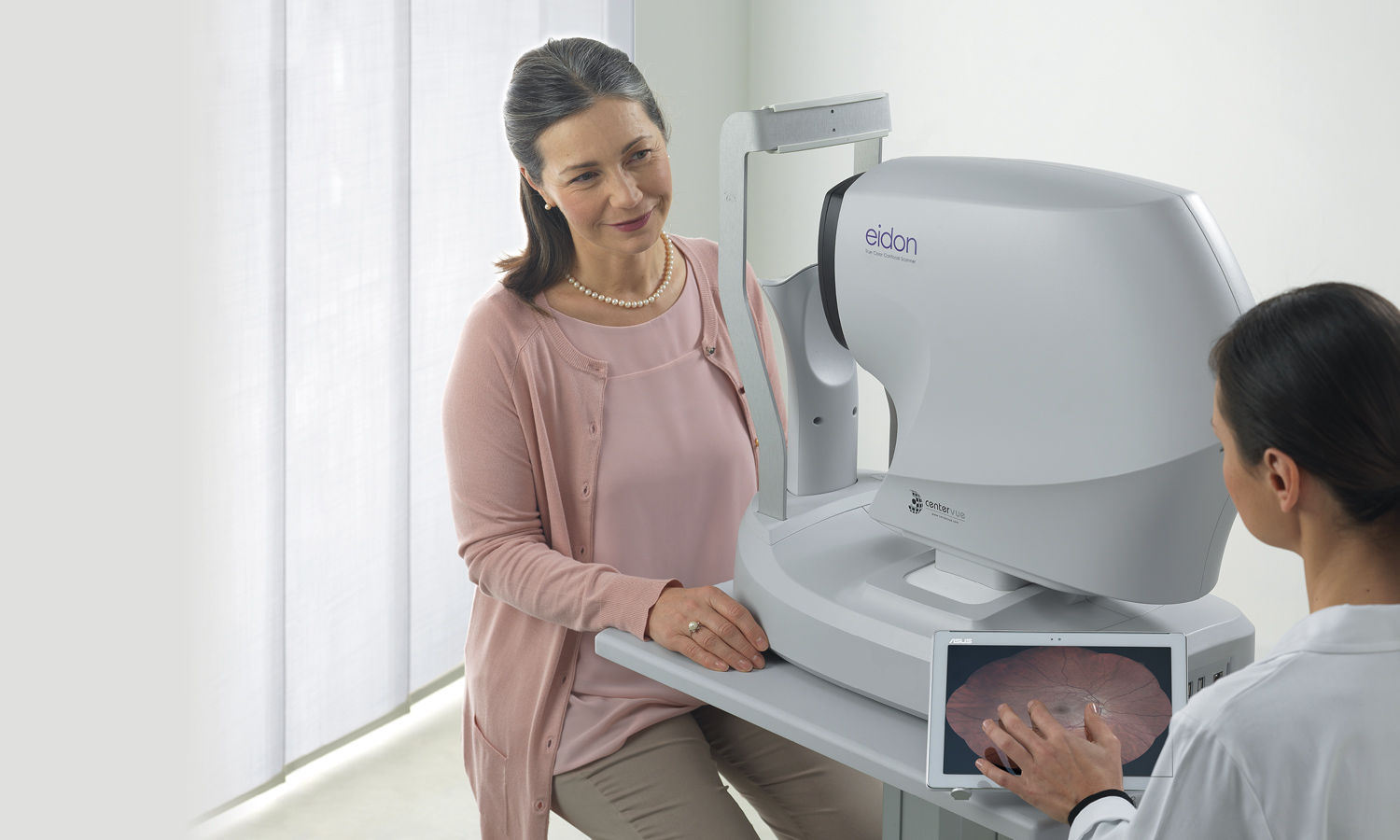
Pediatric eye exam time for an eye exam
- Nearsightedness (Myopia)
- Farsightedness (Hyperopia)
- Astigmatism
- Lazy eye (Amblyopia)
- Crossed eyes (Strabismus)
- Eye coordination issues
- Color vision deficiencies
- Digital eye strain
Early detection is key because many childhood vision problems are easier to treat when caught early.
checkups.
Signs Your Child May Have Vision Problems
Children may not always complain about poor eyesight, so parents should watch for warning signs such as:

Warning Signs Of Child Vision Problems
- Frequent squinting
- Sitting too close to screens or TVs
- Holding books very close
- Complaints of headaches or eye pain
- Difficulty concentrating in school
- Excessive blinking or eye rubbing
- One eye turning inward or outward
- Poor hand-eye coordination
If you notice any of these symptoms, scheduling an eye exam is highly recommended.
When Should Children Have Their Eyes Examined?
The American Optometric Association recommends eye exams at the following stages:
Infants (6–12 months)
An early eye exam checks for developmental issues and ensures the eyes are working properly.
Preschool Age (3–5 years)
This exam evaluates visual skills important for learning and school readiness.
School-Age Children (6–18 years)
Annual eye exams help monitor changes in vision, especially as screen time and schoolwork increase.
The Impact of Digital Screens on Children’s Eyes
Today’s children spend more time than ever using tablets, smartphones, computers, and gaming devices. Excessive screen time can contribute to:
- Eye fatigue
- Dry eyes
- Blurred vision
- Headaches
- Increased risk of myopia progression
Parents can protect their child’s eyes by encouraging regular breaks using the “20-20-20 rule”: every 20 minutes, look at something 20 feet away for at least 20 seconds.
How Parents Can Support Healthy Vision
Good eye health starts at home. Here are a few simple ways parents can support healthy vision:
* Schedule regular comprehensive eye exams * Encourage outdoor playtime * Limit excessive screen use * Provide a balanced diet rich in vitamins A, C, and E * Ensure proper lighting while reading or studying * Use protective eyewear during sports activities
Final Thoughts
Healthy vision is essential for a child’s success both inside and outside the classroom. Since many eye conditions develop without obvious symptoms, routine pediatric eye care is one of the best investments parents can make in their child’s future.
By prioritizing regular eye exams and healthy visual habits, parents can help ensure their children see clearly, learn confidently, and thrive every day.