
Living With Macular Degeneration
Macular degeneration can make reading, recognizing faces, watching television, and seeing details more difficult. While there is currently no cure for age-related macular degeneration, many patients can continue to live independently through low vision rehabilitation, assistive technology, and specialized visual aids.
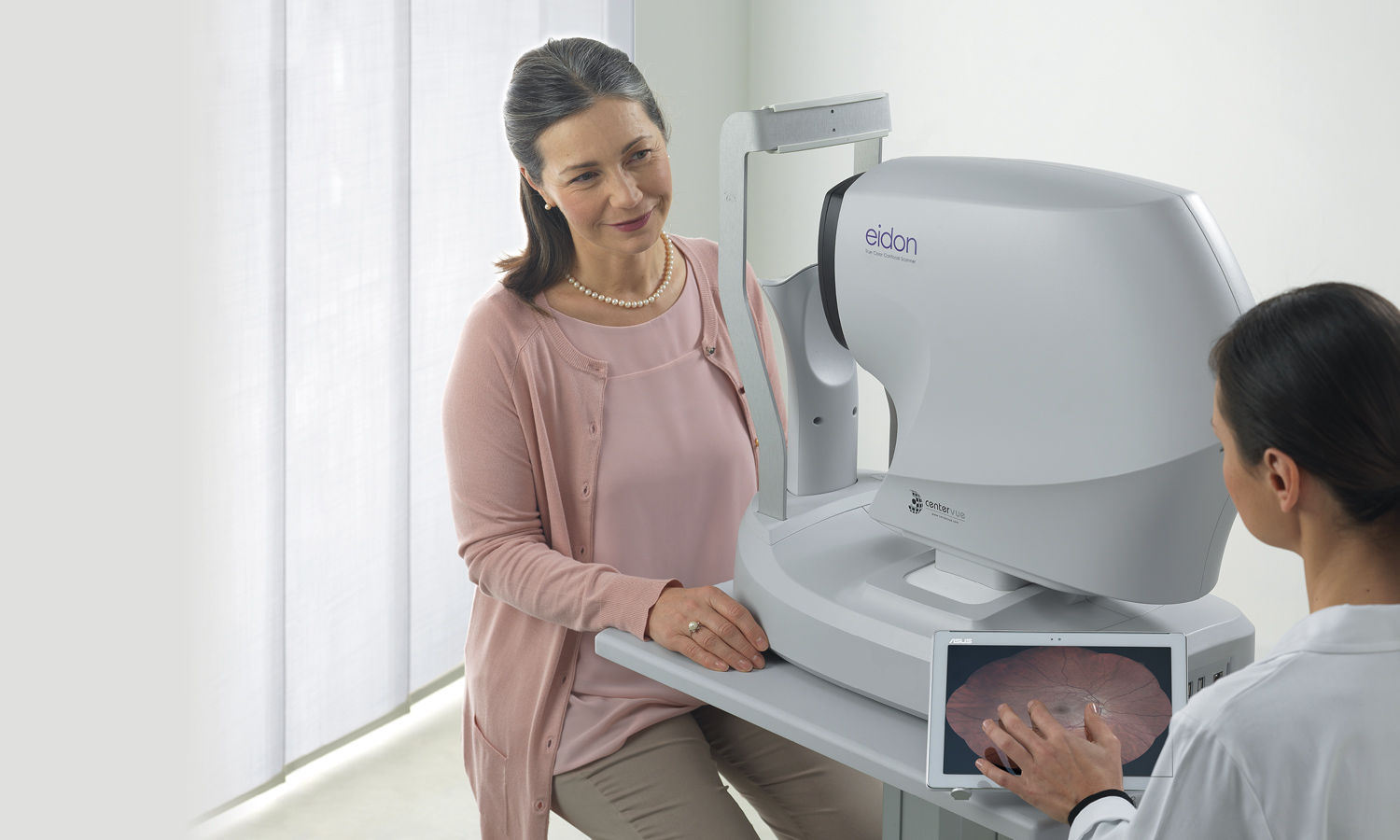
TrueColor, HD, ultra widefield retina imaging
Daily Activities Affected by Macular Degeneration
Daily Activities Affected by Macular Degeneration
Macular degeneration can make reading, recognizing faces, watching television, and seeing details more difficult. While there is currently no cure for age-related macular degeneration, many patients can continue to live independently through low vision rehabilitation, assistive technology, and specialized visual aids.
Low Vision Solutions for Macular Degeneration
Low Vision Solutions for Macular Degeneration
At EYE Invision, we evaluate patients with macular degeneration to identify devices and strategies that maximize remaining vision.
Recommendations may include:
- Electronic video magnifiers
- Handheld magnifiers
- Stand magnifiers
- High-contrast lighting solutions
- Specialty reading glasses
- eSight wearable technology
- OrCam assistive devices
- Accessibility software
- Large-print materials
Reading With Macular Degeneration
Reading With Macular Degeneration
Many individuals with macular degeneration continue to read successfully using magnification and adaptive technology.
Depending on the level of vision loss, recommendations may include:
- High-powered reading glasses
- Electronic magnification
- Tablet accessibility settings
- Audiobooks
- Text-to-speech technology
Driving and Macular Degeneration
Driving and Macular Degeneration
Macular degeneration can affect visual acuity and contrast sensitivity, which may impact driving eligibility.
Some individuals continue driving safely, while others may benefit from a bioptic driving evaluation or alternative transportation solutions.
Why a Low Vision Evaluation Matters
Why a Low Vision Evaluation Matters
A routine eye examination focuses on diagnosing and treating eye disease. A low vision evaluation focuses on how vision loss affects daily activities.
The goal is not simply to measure vision, but to identify practical solutions that improve:
- Reading
- Communication
- Mobility
- Work performance
- Independence
Additional Resources for Macular Degeneration
Additional Resources for Macular Degeneration
Many patients benefit from combining medical care with rehabilitation services.
Resources may include:
- Learn how we work with Lighthouse Central Florida.
- Florida Division of Blind Services
- Orientation and Mobility Training
- Assistive Technology Training
- Support Groups
Frequently Asked Questions About Macular Degeneration
Frequently Asked Questions About Macular Degeneration
Will I go completely blind from macular degeneration?
Macular degeneration primarily affects central vision. Most patients retain some degree of peripheral vision, although the severity of vision loss varies.
Can glasses cure macular degeneration?
No. Glasses cannot reverse macular degeneration, but specialized low vision devices may improve visual function.
What is the difference between a retina specialist and a low vision specialist?
A retina specialist treats the disease itself. A low vision specialist helps patients maximize remaining vision through devices, technology, and rehabilitation strategies.
What devices help people with macular degeneration?
Common recommendations include electronic magnifiers, wearable technology, specialty reading glasses, and accessibility software.
Can I still live independently with macular degeneration?
Many individuals with macular degeneration maintain active and independent lifestyles with appropriate treatment, rehabilitation, and assistive technology.