As a parent, it can be frustrating to hear that your child needs a new glasses prescription year after year.
Many families come to our office asking:
- “Why does my child’s prescription keep changing?”
- “Is it normal for my child to need stronger glasses every year?”
- “Should I be worried that my child’s vision keeps getting worse?”
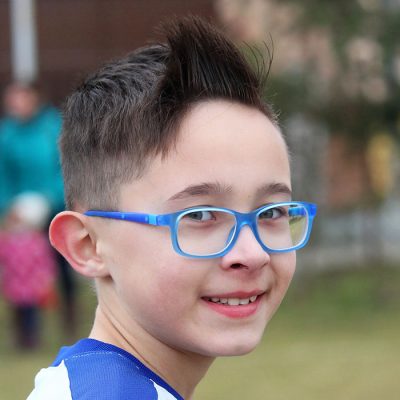
The answer depends on why the prescription is changing. While some changes are expected during childhood, frequent increases in nearsightedness (myopia) may indicate that the eye is continuing to grow longer than normal.
Understanding why this happens can help parents make informed decisions about their child’s long-term eye health.
What Is Myopia?
Myopia, or nearsightedness, occurs when the eye grows too long from front to back.
As the eye elongates, light focuses in front of the retina rather than directly on it. This causes distant objects to appear blurry while near objects remain clear.
Children with myopia may:
- Squint to see distant objects
- Sit closer to the television
- Hold books or tablets very close
- Have difficulty seeing the board at school
- Complain of blurry distance vision
When the eye continues to grow, the glasses prescription becomes stronger.
Why Does My Child Need Stronger Glasses Every Year?
One of the most common reasons children need stronger glasses is progressive myopia.
Progressive myopia means the eye continues to elongate over time, causing increasing levels of nearsightedness.
Children are still growing, and their eyes are growing as well. Some progression during childhood is expected. However, some children experience much faster progression than others.
Factors that may increase the risk of worsening myopia include:
- Family history of nearsightedness
- Early onset of myopia
- Increased near work and screen use
- Limited outdoor time
- Rapid prescription changes during childhood
The younger a child develops myopia, the more years they may have for progression to occur.
Is It Normal for a Child’s Prescription to Change?
Small prescription changes can be normal during childhood.
However, when a child’s prescription increases significantly each year, it may be a sign of rapid myopia progression.
Many eye care professionals become concerned when children experience changes of approximately -0.75 diopters or more per year.
Children with rapid progression may eventually develop high myopia, which is associated with increased risks to eye health later in life.
Why Are Eye Doctors Concerned About High Myopia?
For many years, myopia was viewed simply as a condition that required stronger glasses.
Today, we understand that higher levels of myopia may increase the risk of:
- Retinal detachment
- Glaucoma
- Cataracts
- Myopic macular degeneration
- Permanent vision loss later in life
The goal of modern myopia management is not only to improve vision but also to help reduce these future risks.
Signs Your Child’s Vision May Be Getting Worse
Parents often notice warning signs before a child reports a problem.
Common signs include:
- Sitting closer to screens
- Squinting frequently
- Difficulty seeing distant objects
- Frequent prescription changes
- Headaches after school
- Reduced performance in the classroom
- Holding reading material unusually close
If your child’s vision keeps getting worse, a comprehensive eye examination can help determine whether myopia progression is occurring.
Can Myopia Progression Be Slowed?
In many cases, yes.
Several treatment options have been developed specifically to help slow the progression of childhood myopia.
These may include:
Orthokeratology (Ortho-K)
Specialized overnight contact lenses that gently reshape the cornea while your child sleeps.
Atropine Eye Drops
Low-dose atropine therapy may help reduce the rate of myopia progression in some children.
Myopia Control Glasses
Specialized spectacle lenses such as Stellest® lenses are designed to help slow progression while providing clear vision.
Multifocal Contact Lenses
Soft multifocal contact lenses may also be used to help manage progressive myopia.
The most appropriate treatment depends on the child’s age, prescription, lifestyle, and rate of progression.
When Should My Child Be Evaluated?
If your child:
- Needs stronger glasses every year
- Has a rapidly changing prescription
- Was diagnosed with myopia at a young age
- Has one or both parents who are nearsighted
it may be beneficial to discuss myopia management with your eye doctor.
Early intervention often provides the greatest opportunity to slow progression.
How EYE Invision Can Help
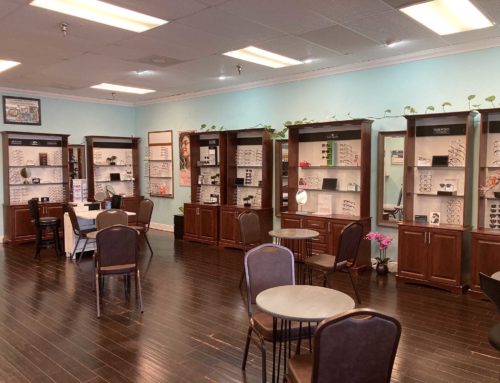
At EYE Invision, we provide comprehensive pediatric eye care and myopia management for families throughout Orlando, Lake Nona, Winter Garden, Clermont, Horizon West, Oviedo, Winter Springs, Altamonte Springs, and Kissimmee.
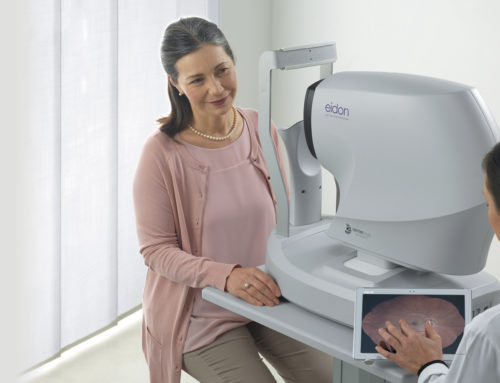
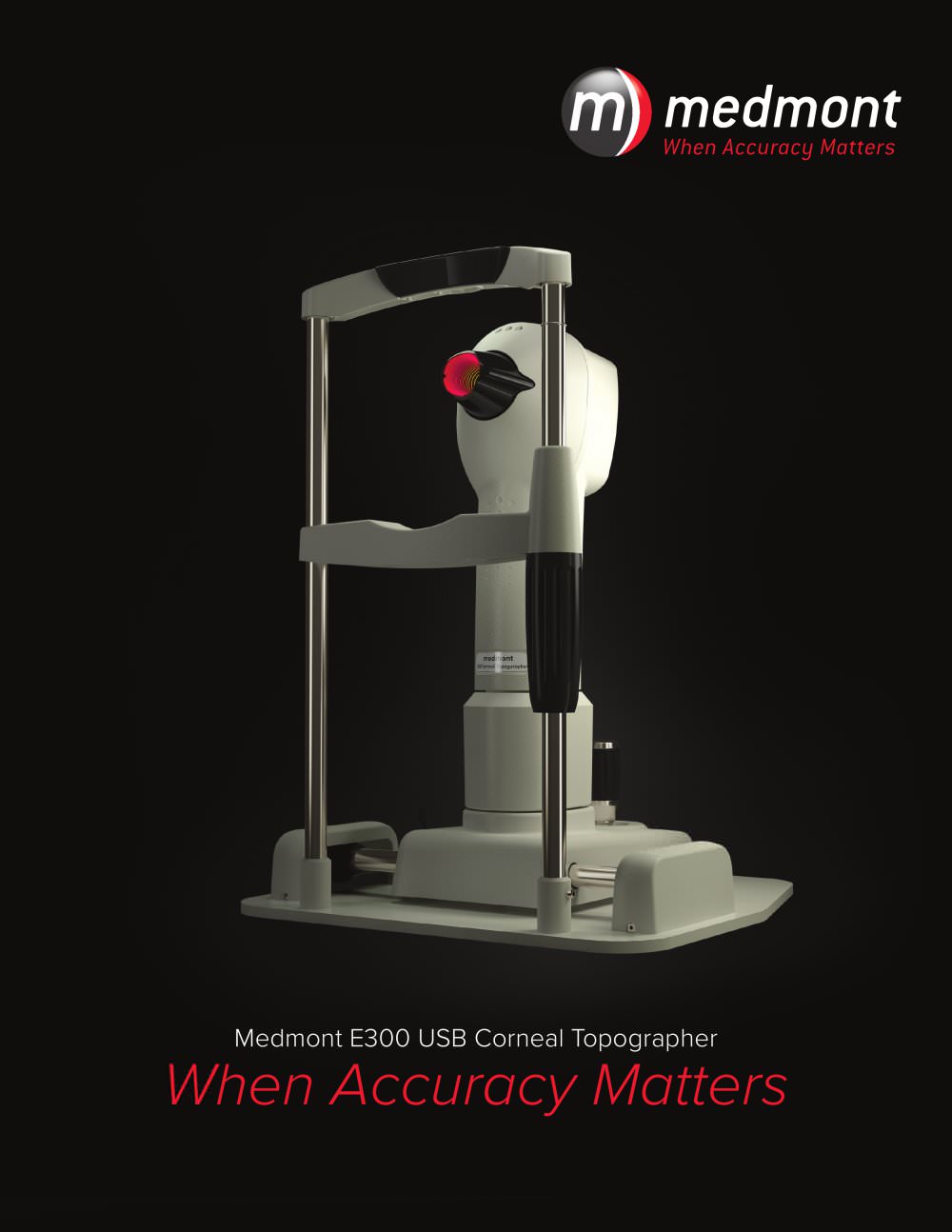
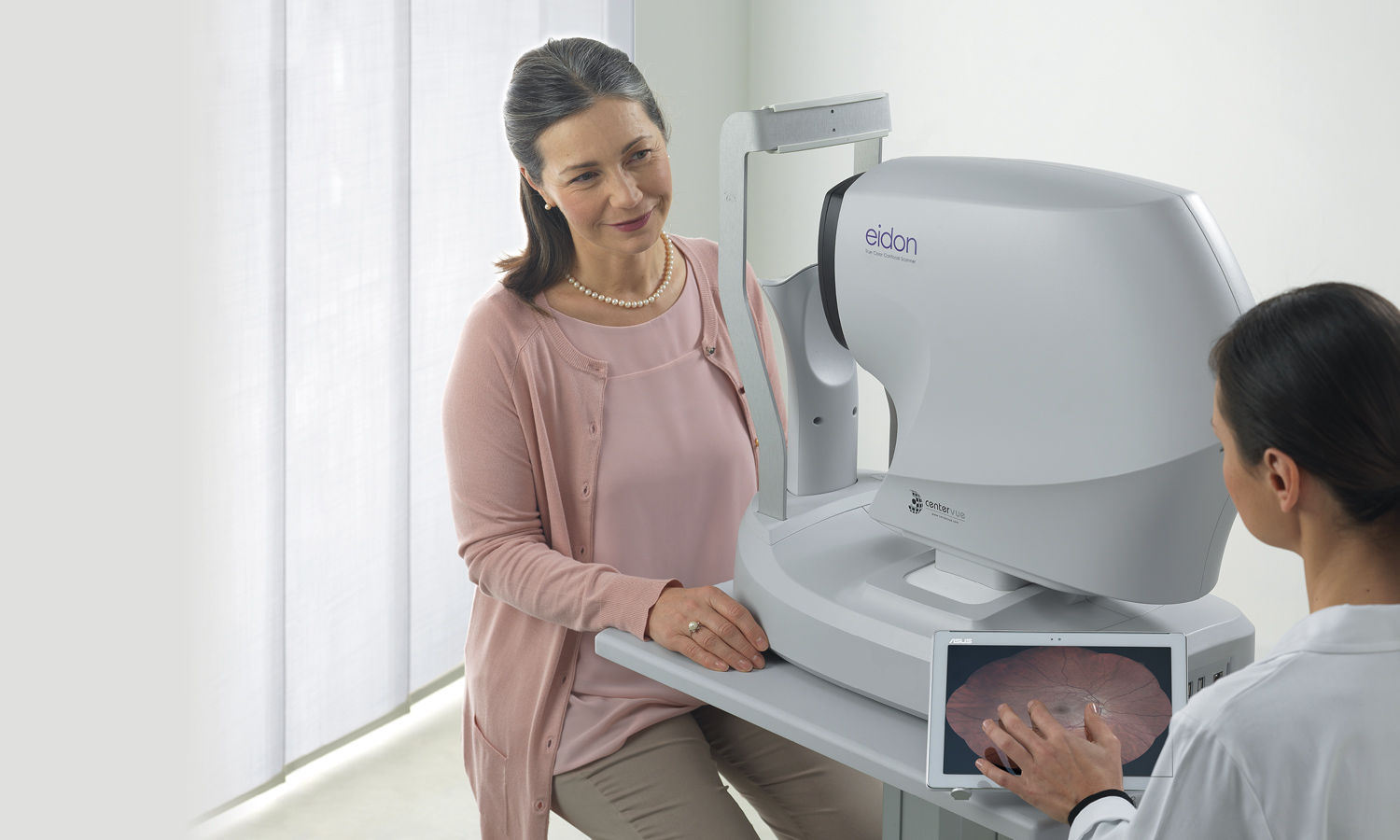
We use advanced technology to monitor prescription changes and eye growth over time, allowing us to identify children who may benefit from myopia management treatment.
If your child keeps needing stronger glasses or their prescription seems to change every year, a comprehensive evaluation can help determine the best approach for protecting their vision now and in the future.
Related Reading
- Pediatric Eye Care
- Myopia Management
- Is My Child’s Prescription Getting Worse Every Year?
- Orthokeratology (Ortho-K) for Children (coming soon)